The best time to book ice swimming in Rovaniemi
Ice swimming in Rovaniemi depends above all on a frozen lake or river with a hole cut in it. That usually means from about November or December until about April. Within that window the light and the crowds shift a lot, so the right weeks depend on what you want from the trip.
When the lakes and the Kemijoki freeze
Rovaniemi sits on the Arctic Circle, where the Kemijoki meets the Ounasjoki. Lakes and the river usually freeze from about November or December, though the date moves from one winter to the next.
An ice hole needs ice thick enough to walk on around it. Early in the ice season the cover can be thin and new, so a November booking carries more risk that the cold dip looks different from the photos.
If a real hole in the ice matters to you, aim for December onwards. Travelling in late autumn, ask the operator about conditions a day or two before your slot.
December, the darkest weeks
Around December the sun barely clears the horizon at the Arctic Circle, and on some days it hardly rises at all. Daylight shrinks to a few hours of blue twilight, so most of any trip happens in the dark.
That suits an evening sauna well. Steam rising off the hole under a black sky is the classic winter picture, and the long nights give the northern lights more hours to appear, weather permitting.
The downside is the short day for everything else you plan in Lapland. Fit daytime sights into the midday light and keep the sauna for after dark.
Christmas weeks fill up
Rovaniemi gets busy around Christmas, when families arrive for the Santa Claus sights and the snow. Hotels fill, and the small saunas have only so many slots on each evening.
Pajasauna takes one private group of up to five at a time, so its slots are limited by design. Book as soon as your dates are fixed, since free cancellation up to 24 hours before departure on all four tours keeps the risk low.
A private session suits couples and families who want the heat to themselves during the busy weeks. Our private or group guide explains who each type of evening suits.
Colder, clearer weeks from January to March
From late January the light returns quickly. February and March bring longer afternoons over snow-covered lakes. Days are often colder and clearer, and spells around -25 °C (-13 °F) can happen.
Deep cold sharpens the contrast with the sauna, and the walk from the hole back to the door feels longer. Wool socks and a warm hat matter more at those temperatures, and our packing list covers both.
For many visitors this stretch is the sweet spot. The ice is solid and clearer skies help with the aurora, while the afternoon light shows you the frozen landscape around the sauna.
The aurora window on the dinner evening
Nordic Adventures sells the aurora chance on its sauna and salmon dinner evening at ~$172 for evening departures from late October to mid-March. Inside that window the sauna rounds and the cottage dinner both happen after dark.
No display is guaranteed in any week, and clouds can cover the sky for days. Our aurora guide explains what helps and how to watch between rounds, and the full account of the dinner evening describes the four hours.
Dinner and a dark sky in one evening
Four hours with hotel pickup and a lakeside sauna by the ice hole. Smoked or blazed salmon follows in a wooden cottage. Evening departures from late October to mid-March carry the aurora chance.
Afternoon slot or evening slot
The hour matters as much as the week. An afternoon session in late winter gives you daylight on the frozen river, while an evening session in December gives you darkness and the faint hope of an aurora.
At Pajasauna the time also decides how you get there. Its listing shows nothing heading out for the 8:00 pm slot on any day, and weekend slots have gaps too, so a weekday daytime slot is the easy one by bus.
The three trips with hotel pickup avoid that puzzle, since the van brings you back whatever the hour. Our guide to getting there lists the bus 14 gaps slot by slot.
April and the end of the ice
Ice holes usually stay open until about April. By then the snow softens and the lakes start to thaw from the edges. Late March and early April pair long days with water that is still close to 0 °C (32 °F).
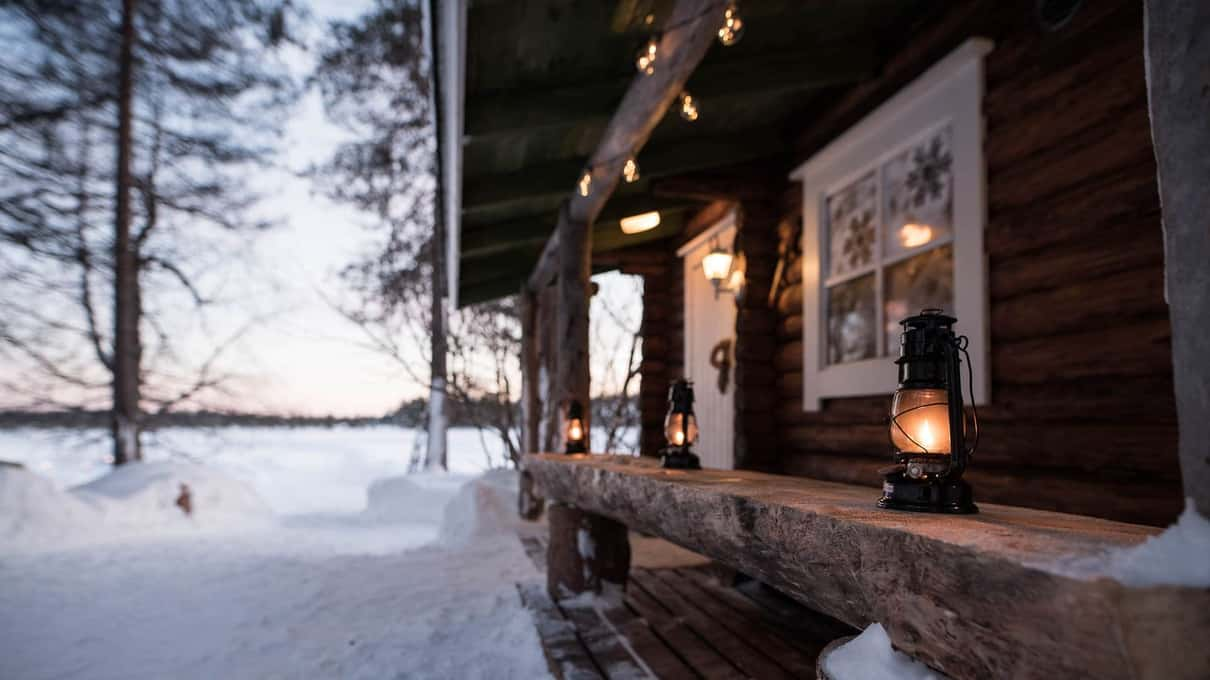
The thaw is hard to predict, so a booking in mid or late April may find the ice too soft to use. Where the hole matters, check with the operator; the free cancellation is your safety net.
A spring trip is the easiest on first-timers who dread the cold air more than the water. Our first ice swim guide runs through the sequence from the ladder to the sauna door.
Summer, with a lake instead of a hole
The saunas do not close when the ice goes. Nordic Adventures' sauna at the hosts' lakeside home, ~$101, swaps the ice hole for a lake swim in the warmer months.
It is a gentler version, closer to how many Finns use a summer cottage sauna, and it suits anyone who wants the heat without the shock. For prices across all four trips, see our cost comparison.